Fire Service Consultant
Advising fire departments on modernization, operational readiness, and system-level improvements — from workflows to real-world response capability.
Fire Service Innovation · Emergency Management · Leadership
Public Safety Systems Architect · Founder & CEO of Astral8 · Fire Service Consultant · International Instructor · Former Firefighter
Gasper Bizjak is a public safety systems architect and former fire officer working on the standardization, optimization, and modernization of emergency response. His focus spans real-world operations — from call handling and field workflows to incident coordination and command-level systems.
He has designed emergency workflows, supported dispatcher training, and developed software that replaces fragmented processes with structured, reliable operations. As founder and CEO of Astral8, he brings these principles into practice through a unified platform used by fire departments and EMS.
His work also includes AI-based approaches to incident prediction, supported by a filed patent in emergency management systems.
Built from real fire service operations · Applied across software, workflows, and emergency response systems
Advising fire departments on modernization, operational readiness, and system-level improvements — from workflows to real-world response capability.
Leading the development of public safety systems with a focus on clarity, reliability, and real-world use in fire departments and EMS.
Designing operational systems that connect workflows, decision-making, and incident coordination into structured, reliable response environments.
Translating fire service experience into practical ideas and systems that improve how departments operate, train, and respond.
Recognition and applied work in fire service and public safety systems.
Awarded for contributions to EU-funded projects (EmerGent, LINKS, ESENet) advancing emergency management, and for developing a pan-European platform enabling cross-border knowledge exchange, collaboration, and improved operational efficiency in fire and emergency services.
Development of practical frameworks and system approaches focused on standardizing workflows, improving coordination, and optimizing emergency response in fire departments and EMS — including measurable improvements in emergency call handling and dispatch efficiency, with response process times reduced by up to 80% in implemented environments in Slovenia.
Ongoing work on AI-supported approaches to incident prediction and response optimization, consolidating multiple fragmented systems into a unified platform—reducing complexity, saving time and cost, and improving operational readiness in emergency services.
Featured conferences, panels, keynote talks, podcasts, interviews, and publications.
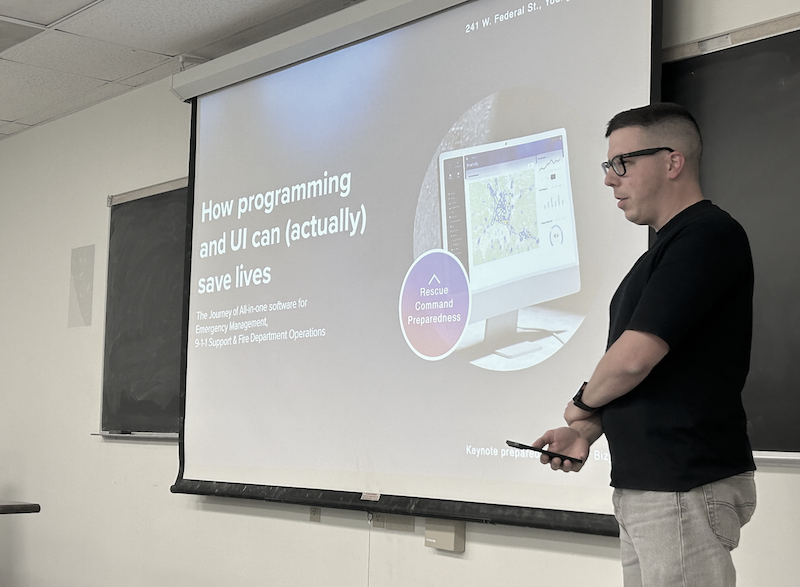
Spoke at Kent State University on how programming, user interface design, and data standardization influence emergency response. The talk focused on how small design decisions impact information flow, situational awareness, and coordination—ultimately improving response efficiency in time-critical situations.
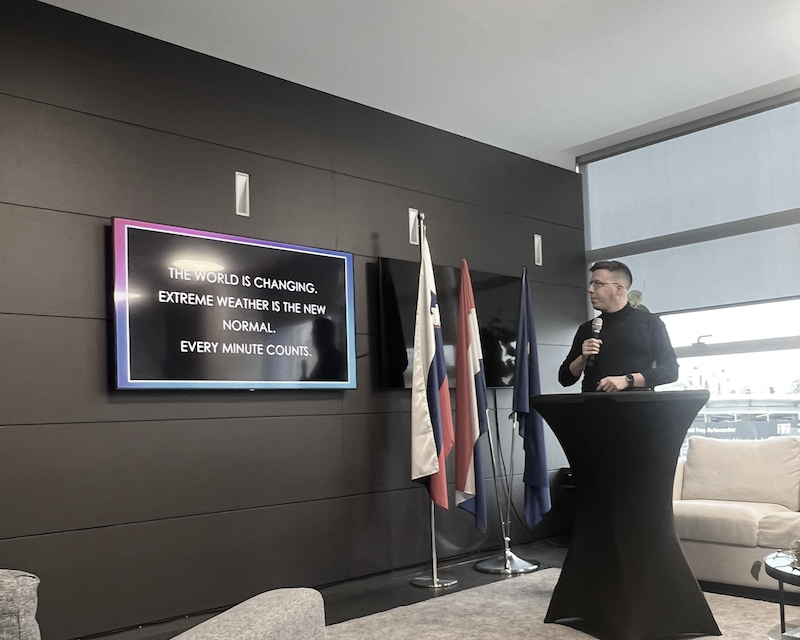
I delivered a keynote on the critical role of the right software in emergency management for the Ambassador of the Netherlands and his team, highlighting how time, data, and system design directly impact response effectiveness. Drawing from real-world implementations, I demonstrated how integrated platforms can reduce response times, improve decision-making, and ultimately help save lives.
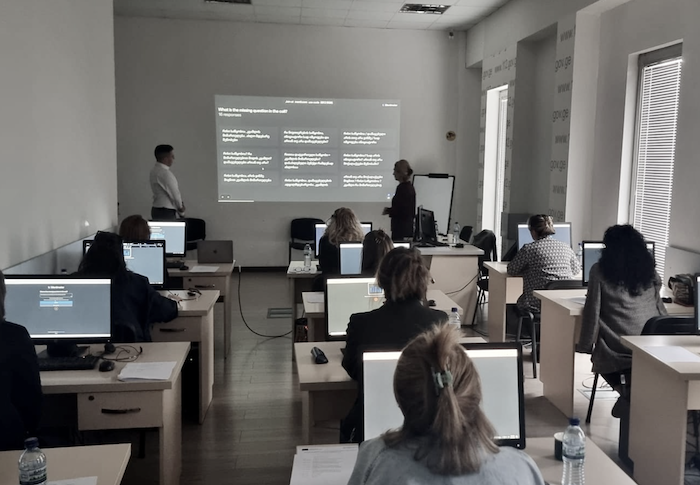
Delivered a multi-day training program covering EU emergency management frameworks, operational best practices, and real-world scenarios. Included simulation-based exercises requiring coordinated response under time-critical conditions.
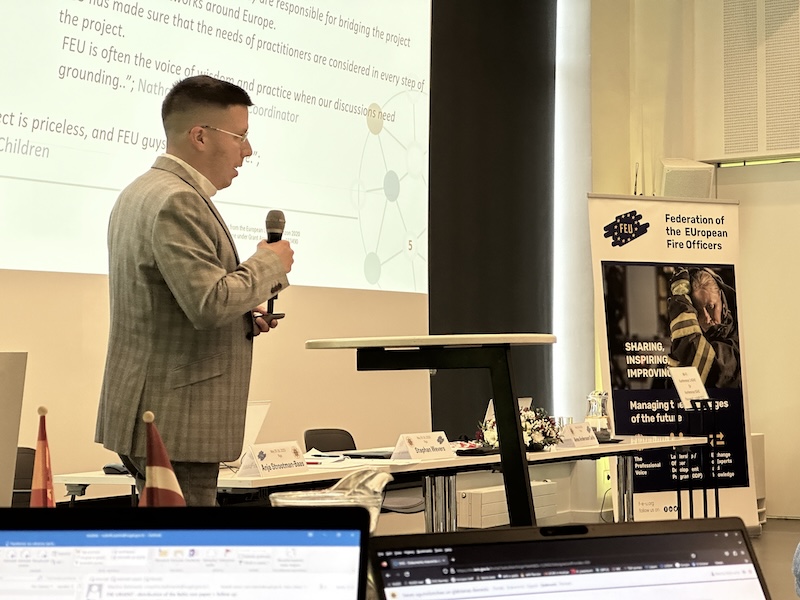
Contributed to EU LINKS project by co-designing the LINKS Community Center, defining stakeholder needs, and shaping a consolidated EMS knowledge base of use cases and best practices. Focused on bridging technology and operations to improve data-driven decision-making and disaster resilience and presented the results and Social Media and Crowdsourcing for Disaster Risk Management. Read here →
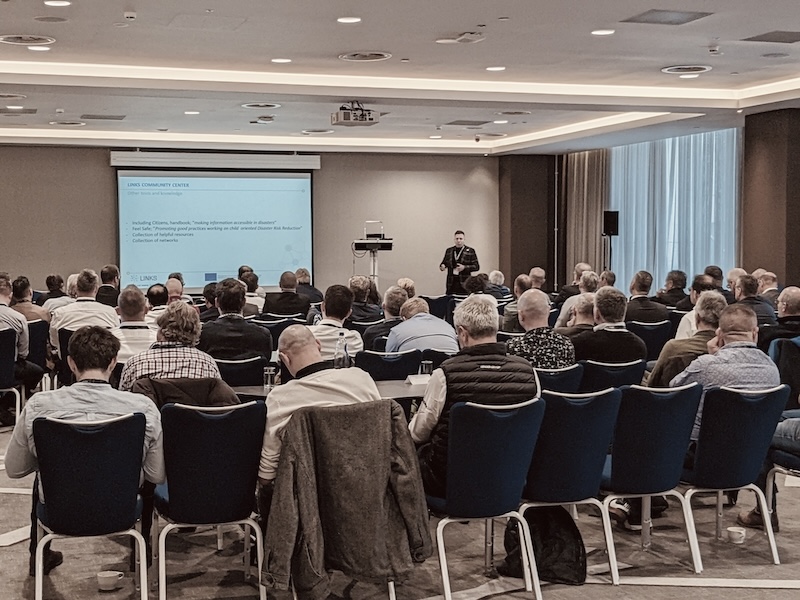
I presented work on integrating digital tools and data-driven approaches into emergency management, focusing on how real-time information, social media, and system design can improve situational awareness, coordination, and decision-making for emergency services in complex, high-pressure environments. Read →

Quoted in an international academic publication on social media and disaster management, contributing insights on situational awareness and emergency response. View publication →
As a leading author in an EU-funded project, I contributed to guidelines for integrating real-time citizen data into emergency management systems. My work focused on information flow between citizens, services, and authorities, helping define how modern systems improve situational awareness, coordination, and response during emergencies. Read here →
Use these project entries to demonstrate concrete outcomes, not just job titles.
Design and development of a unified emergency management system connecting incidents, resources, personnel, and operations into a real-time command layer for fire departments.
Redesigned dispatch and operational workflows to reduce delays, standardize data, and improve response efficiency and management in active fire service environments.
Contributor to EU-level initiatives (EmerGent, LINKS, ESENet), focusing on cross-border coordination, knowledge-sharing platforms, and frameworks for modernizing emergency response systems.
Use the form for consulting inquiries, public speaking invitations, publication requests, or project discussions.
Connect on LinkedIn